The Psychology of Extinction
What endangered species teach us about human nature
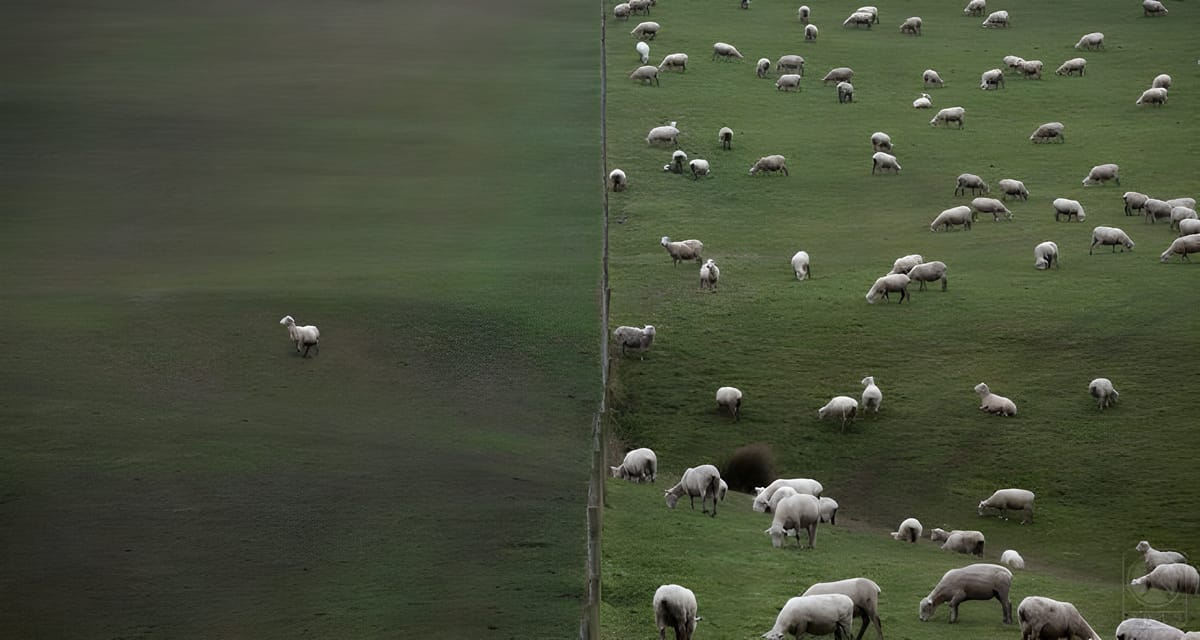
Our treatment of the natural world reveals an uncomfortable truth about humanity. While we pride ourselves on progress, countless animal species are vanishing because of our neglect. We ignore the warnings, dismiss the voices that speak up, and only mourn once the damage is irreversible.
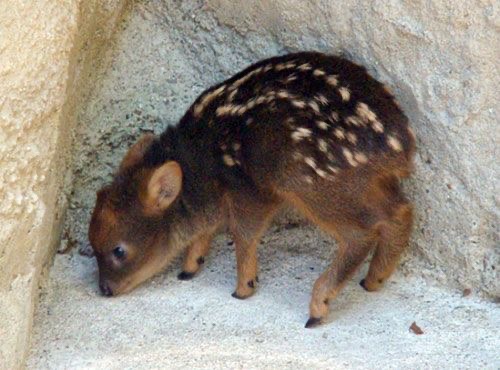
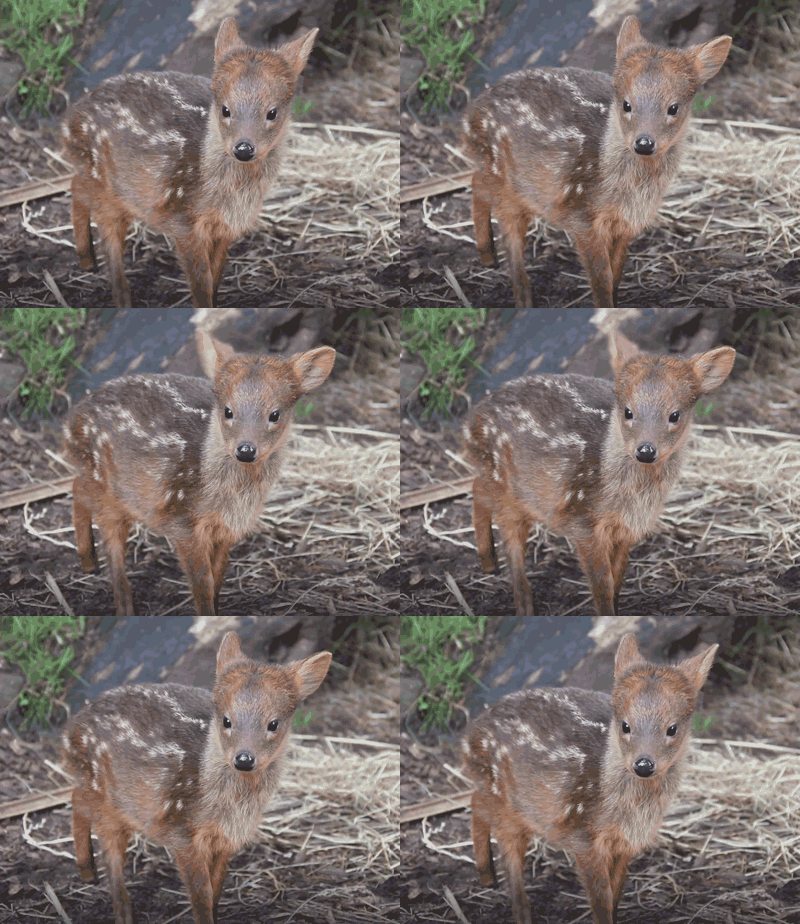
Pudu deer are the smallest deer species in the world. They are only 14-18 inches tall and weigh up to 30 pounds. These shy little creatures create tunnel networks to escape predators in the South American rainforests—their homeland.
When in fear, they can bark, run in zigzags, or freeze in an attempt to camouflage. They are solitary creatures in the Andes mountains and coastal rainforests of Chile and Argentina, with altitudes reaching over 6,500 feet. There are two types of Pudu deer: the southern Pudu and the northern Pudu.
A major source of their threatened species is roaming dogs. In rural areas particularly, they are caught easily, especially in winter and spring. This leads to the transfer of parasites through contact. Pudús are very susceptible to parasite diseases such as bladder worms, lung worms, roundworms, and heartworms.
They are also hunted for their meat and are captured for illegal pet trading. Their forests are cleared for agriculture, cattle ranching, exotic tree plantations, logging, and human development. When they’re found, they are hunted by specially trained hunting dogs.
The pudú’s greatest threat is not a natural predator, but human expansion and neglect. Even roaming domestic dogs—animals we have bred and released into rural areas—have become instruments of destruction. We train these dogs to kill and track animals that aren’t so different from their own.
But the importance becomes when we realize the root of this threat isn’t about whether we trained dogs to kill or to play with their little toys; it’s about the realization of our doings. This threat is one consequence out of many of our actions. The moral difference between us and those little creatures is that we can speak our minds.
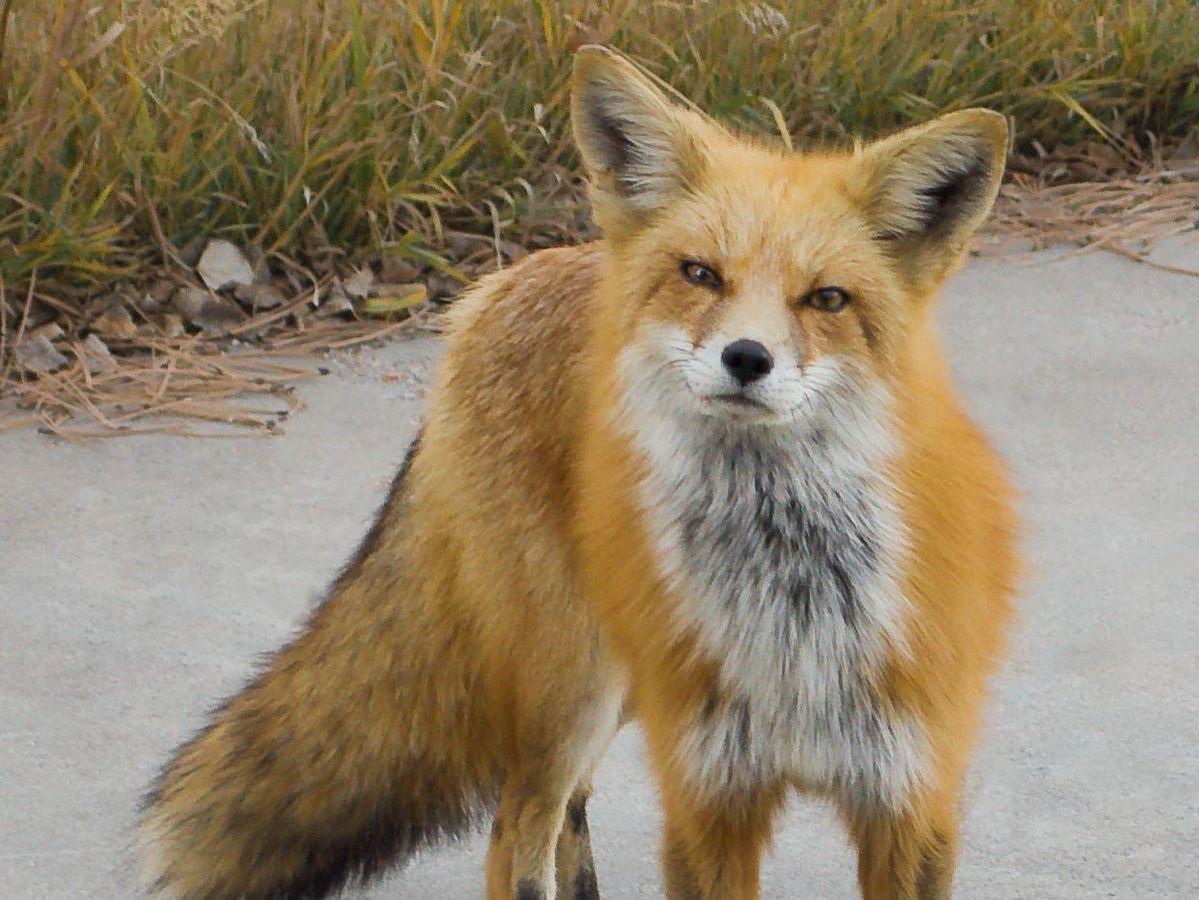
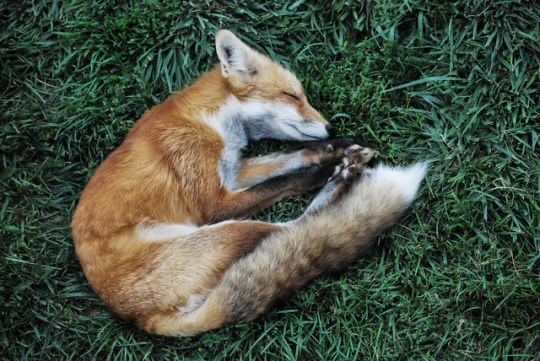
Hidden high in the mountains lives one of the rarest mammals in North America — the Sierra Nevada red fox. These foxes survive in cold, isolated alpine environments where few predators and even fewer humans can reach them.
Our ability to study them is limited, as their acute hearing allows them to detect threats long before we ever see them. Hunting, poisoning, and predator eradication programs in the 1800s through the 1900s caused a decline so severe that the Sierra Nevada red fox population became isolated.
These programs were made to eliminate predators for human interest. There were organized hunting campaigns, bounties, poison bait, traps, and den destruction. The Sierra Nevada red fox species was caught in these efforts, and they are still recovering.
You might think distance protects them. It doesn’t. Climate change is shrinking their habitat, and human expansion pushes deeper into the mountains each year. Their numbers are so small that even minor environmental changes threaten their survival. Even in the most remote places on Earth, human influence follows.
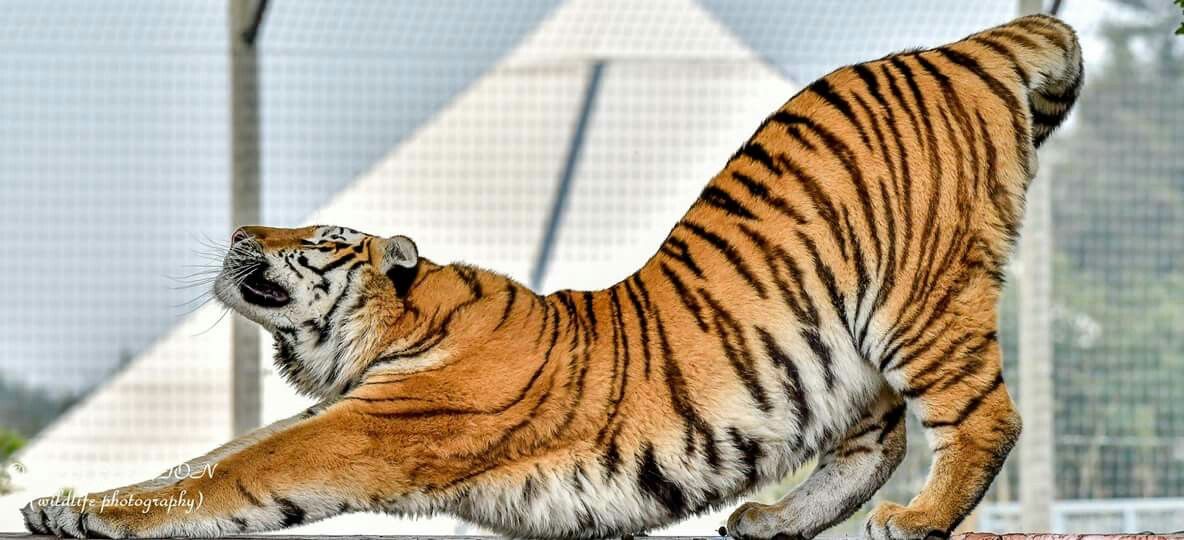
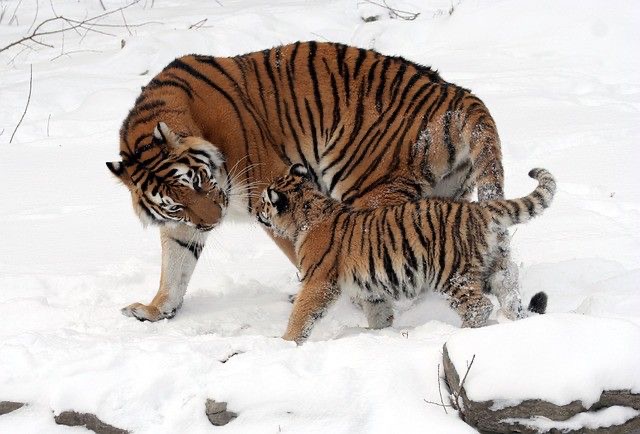
Moreover, tigers are the largest cats. Their stripes are similar to our fingertips in a way; no two tigers have the same unique stripe, just like how no two humans have the same fingertips. A tiger’s stripes are each unique to their identity. They love water and can swim for kilometers, 6 times better than us. They are solitary apex predators and rely on camouflage to hunt. They roar, growl, and chuff to communicate with each other.
Over the past century, their populations have declined by a staggering 97%. Several factors contribute to their endangerment, including illegal trading, hunting, habitat loss, and climate change.
Tigers are hunted even in protected areas for their teeth, bones, pelts, and claws. These parts are sold on the black market and displayed as trophies. We wouldn’t want our bones on display to show off, so why would we want to inflict such pain on these animals? We only care if it’s happening to us. We only care if we see those endangerment posters, but until then, we’ll strip their stripes off and wear them.
If you believe that size matters, you’re wrong. We hunt the meek, we hunt the dangerous, we hunt every big and little creature that can satisfy our desire to be “great”.
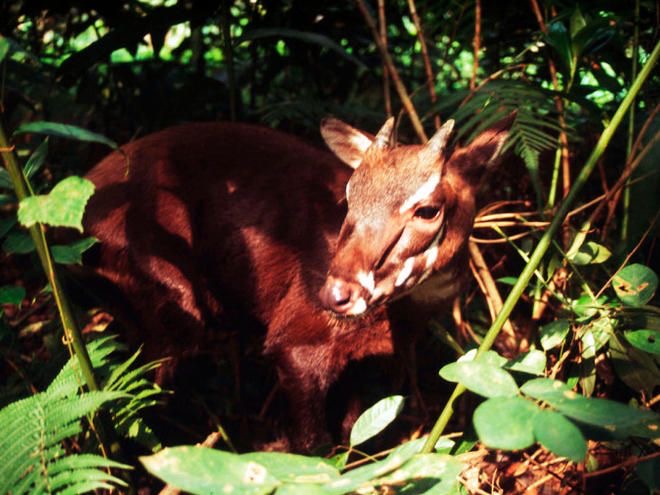
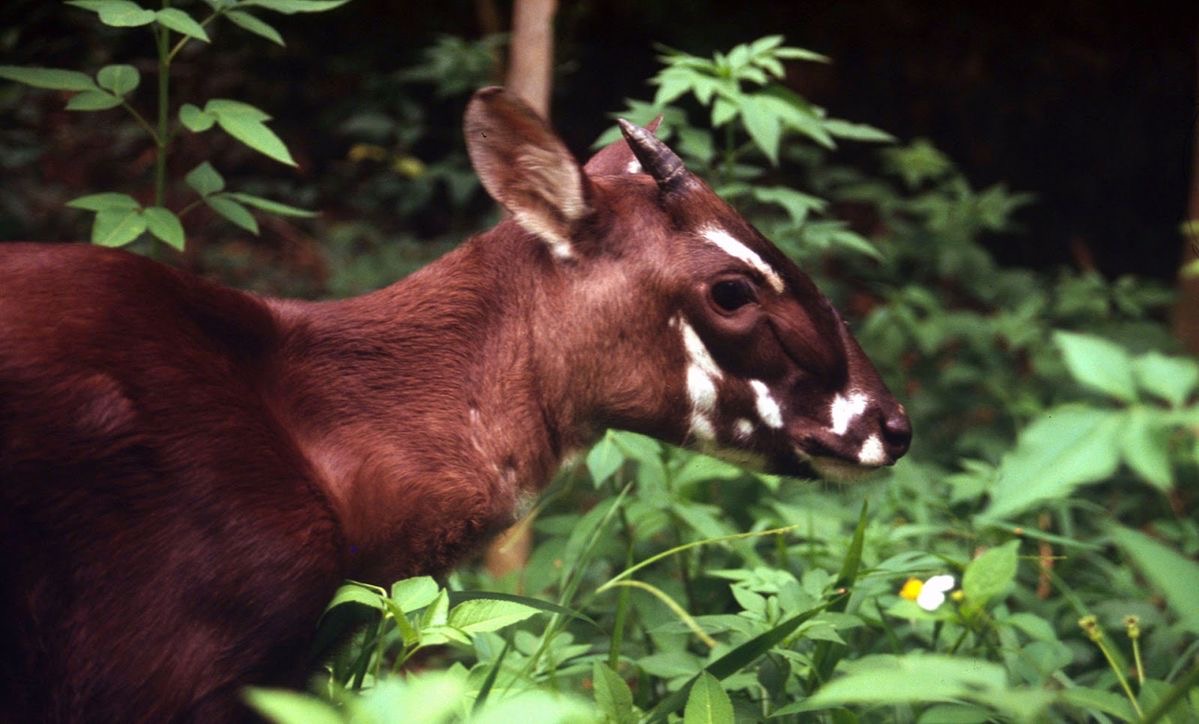
Do you believe in unicorns? Saolas are rare animals that are nicknamed as “Asian Unicorns”. They are so rare that we only discovered them in 1992. Ironically, they actually have two long, straight, parallel horns that can reach up to 20 inches in length.
The Hmong people refer to the saola as saht-supahp, which translates to “the polite animal” because they move quietly through their forests and rarely make noise.
For years, we have tried to capture these unicorns for captivity but failed as they’d die in weeks or months. These beauties drink large quantities of water to maintain their elusiveness.
However, these unicorns are so quiet that we might not know immediately when they will be extinct. Unlike other endangered species, saolas are endangered mostly because of hunting. These creatures are one of the most endangered species.
Despite this, we haven’t made major attempts to protect them from extinction. Saolas aren’t of much value—not for their horns, meat, or as a crop pest. They get caught up in thousands of wire cable snares that are meant for other common animals.
The saola population is so small that even if we remove snares, they can be endangered by other factors. Genetic inbreeding and loss of heterozygosity, skewed sex ratios, and difficulty for isolated males and females to find each other for mating. Professionals conclude that even if we somehow cease all hunting threats, these saola subpopulations could drift to extinction in the next ten to fifteen years.
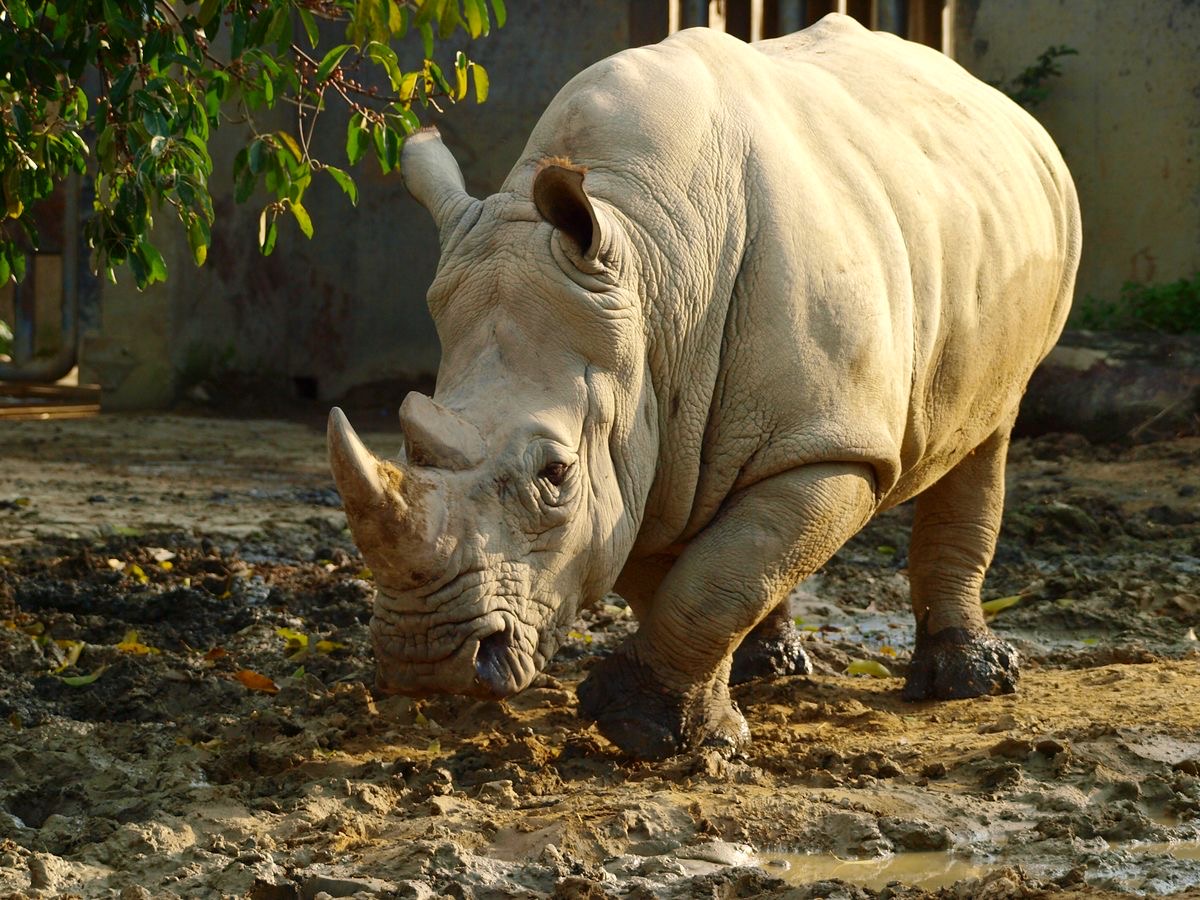
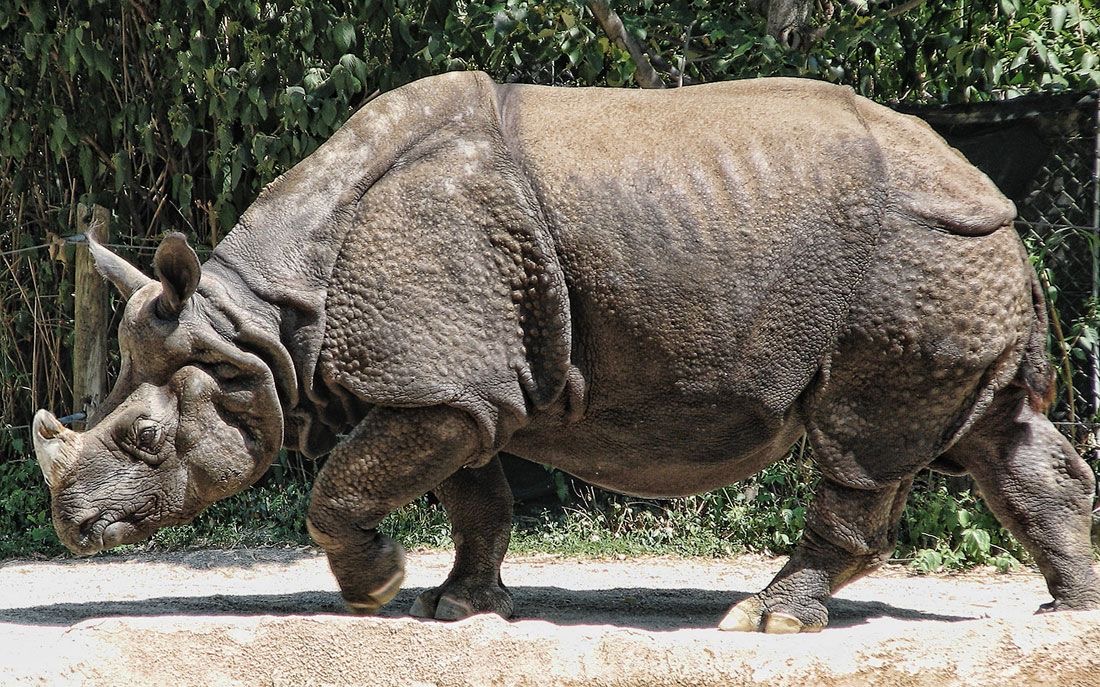
You might believe that rarity matters, but it doesn’t. Rhinos were once very common in Africa, Asia, and even Europe and North America. There used to be an approximate population of 500,000. Now, there are only 28,000.
These large creatures are surprisingly great swimmers and walk on their toes. They have small brains and communicate by pooping. White rhinos aren’t white, and black rhinos aren’t black. Rhinos are critically endangered due to poaching. These large, sensitive animals are hunted and have their horns ripped out and displayed as a status symbol of luxury.
Out of sight, out of mind. The human mind doesn’t bother if the problem isn’t in our face, literally! As long as it doesn’t affect us, we wouldn’t care less. It’s in our DNA. Our instinct. We were designed to be ignorant.
Humans are masters of adaptation, and we adapt even to constant loss. We grow used to a world where something bad is always happening. “Endangerment is natural,” we say, when it isn’t. “Just let it happen,” we say — until the loss reaches something we love.
That’s how we work. If it isn’t personal, if it doesn’t directly affect us, we wouldn’t bother. But you would care if Starbucks stopped serving caramel macchiatos. You would care if you couldn’t shop online anymore. You would care if humans themselves became extinct. Out of sight, out of mind.
Much like other creatures, status is something precious to us. Jewels, fabrics, inventions—all of these represent our class. Where we sit in the unfair world.
Ecosystems collapse one by one, until eventually the collapse reaches us. Extinction erases them and reveals us — the extent of our need for comfort, power, and convenience. It isn’t that we don’t understand the consequences; we do. We just don’t care.
We have a choice. The question is if we are choosing to live in a world of corruption—if we are choosing to be corrupt.
The question is whether we will finally choose to care.
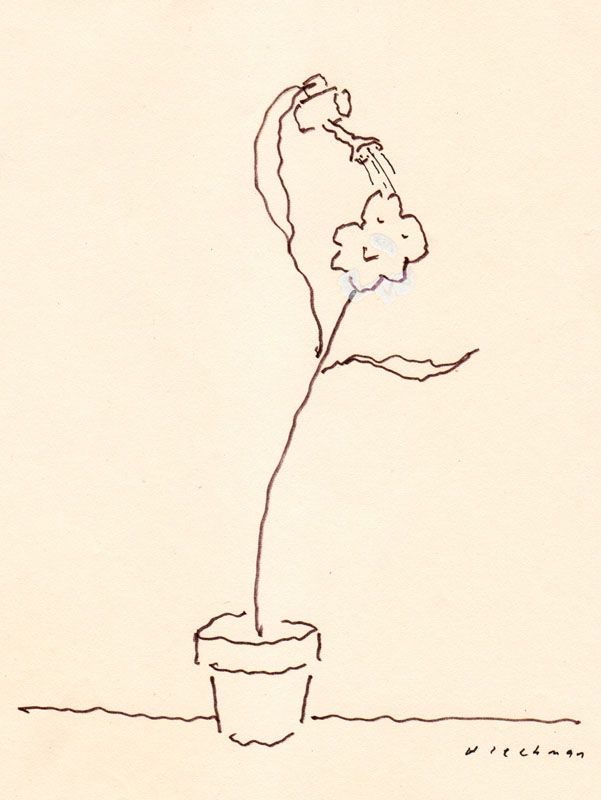
my last piece explored how people make meaning out of what they choose to believe in.
it moves through memory, loss, and someone who lived most of his life without vision, yet understood the world in ways that didn’t depend on seeing at all. writing it meant sitting with the difference between looking and understanding, and realizing they are not the same thing.
my last piece of writing. ˚‧ ɞ
 Judy Moreau
I’m trying to build a small space on the internet where things are sincere and human. if you’d like to be a part of it, there’s a subscribe button below. ♡
If there are any topics you’d want me to write about or discuss more of, please feel free to reach out to me via DM or email.
( thejudymoreau@gmail.com )
You can help this cause by donating to the following charities:
- Donate to WWF
- Donate to the Saola Foundation
- Donate to Rainforest Concern
- Donate to the International Tiger Project
- Donate to Save The Rhino
- Donate to Defenders of Wildlife
If you’re unable to donate, you can still make a difference by sharing this article and helping raise awareness.