What The SAVE America Act Could Mean for Voters
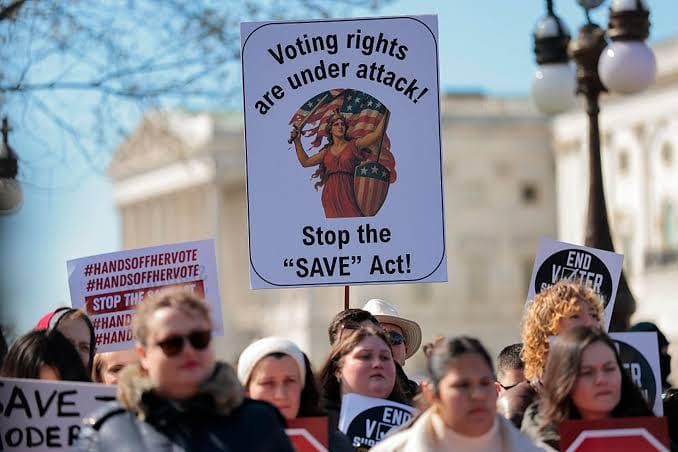
The SAVE America Act has put a familiar question at the center of the debate over American elections: How should the government make sure that only eligible citizens vote without creating unnecessary obstacles for citizens who are already entitled to cast a ballot?
Supporters of the legislation, including President Donald Trump and congressional Republicans, argue that federal elections need stronger safeguards to verify voter eligibility and prevent noncitizens from participating. Democrats and other critics agree that noncitizens should not vote in federal elections, but question whether additional documentation and identification requirements are necessary — and whether those requirements could make voting more difficult for eligible Americans.
At the heart of the debate is a basic distinction. Federal law already prohibits noncitizens from voting in federal elections. The dispute is over whether that prohibition should be accompanied by additional requirements for proving citizenship and identity.
To understand why the SAVE America Act has become so politically charged, it helps to look at how the country arrived at this point — and why questions about election security have become so closely tied to questions about access to the ballot.
How We Got Here
In 2016, Donald Trump began making claims that illegal voting was a significant problem in American elections, including assertions that large numbers of noncitizens could be voting. Those claims helped bring election security into the political spotlight, even though substantial evidence of widespread noncitizen voting was never established.
The issue became even more consequential after the 2020 election. After losing to Joe Biden, Trump repeatedly alleged widespread election fraud and challenged the results. Election officials, courts, and members of Trump’s own administration investigated those claims but did not find evidence of fraud on a scale that could have changed the outcome.
The political argument, however, did not disappear. In the years that followed, concerns about election security increasingly focused on whether noncitizens might register or vote.
The debate therefore shifted from whether noncitizens are legally entitled to vote — they are not — to whether the government should impose additional requirements on everyone who registers in order to prevent a problem that supporters believe could occur.
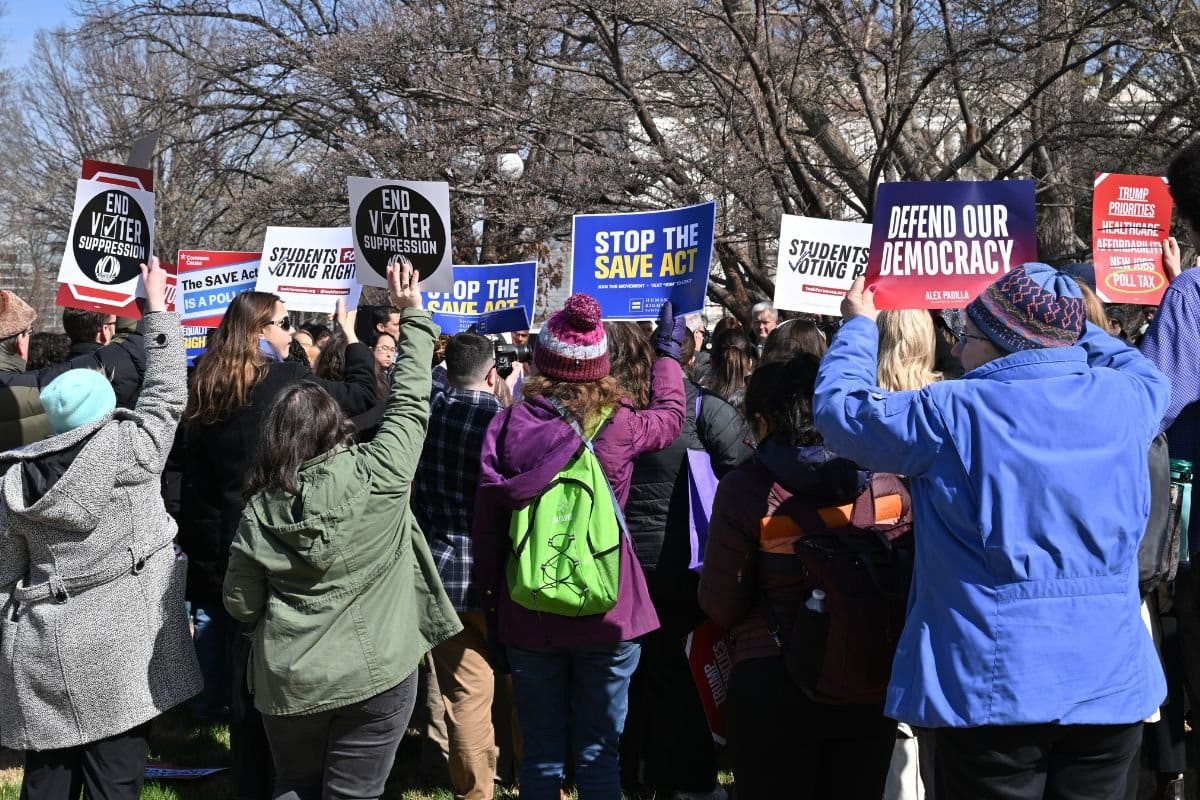
Democrats have generally agreed that noncitizens should not vote in federal elections. Their argument is that the government should not impose new documentation requirements on millions of eligible voters without demonstrating that those requirements are necessary to address a significant problem.
What Is the SAVE America Act?
The SAVE America Act, or the Safeguard American Voter Eligibility Act, would change how people register to vote in federal elections.
One of its most significant provisions would require documentary proof of U.S. citizenship when registering to vote. The legislation also contains provisions dealing with voter identification and the verification of voter information.
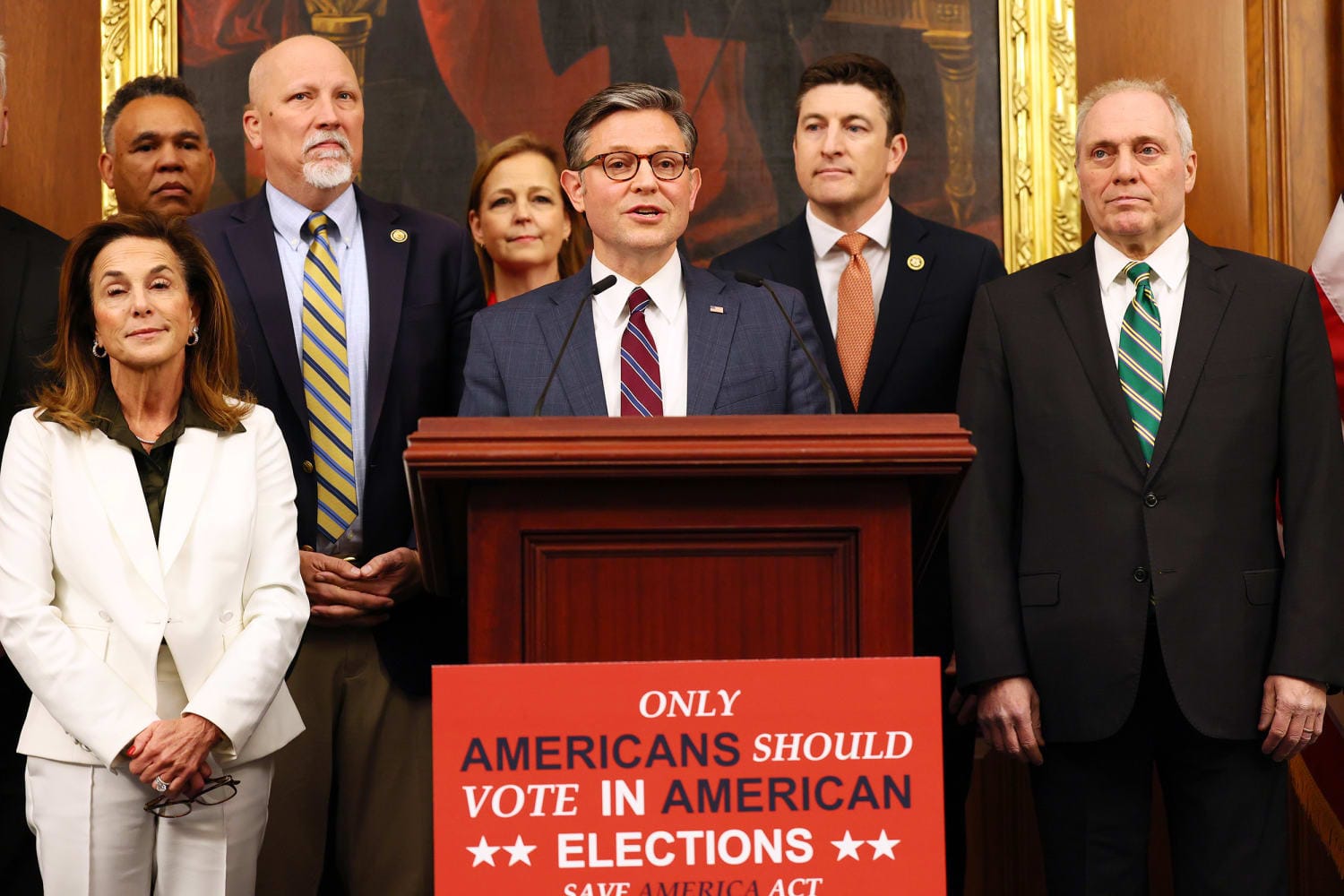
President Trump has strongly supported that approach, arguing that federal elections should have safeguards ensuring that only eligible citizens participate. For Trump and many Republican lawmakers, the legislation represents an additional layer of protection for the electoral system.
For some Americans, producing a passport, birth certificate, naturalization certificate, or another qualifying document may be straightforward. For others, it could mean finding a document that has been lost, requesting a replacement, dealing with a legal name change, correcting a government record, or making a trip to a government office.
Critics argue that before Congress creates new requirements for proving citizenship, it should consider how those requirements would affect citizens who have the legal right to vote but may not have the required documents readily available.
The concern is that proving citizenship could become an additional hurdle to registering to vote, particularly for eligible citizens who face difficulties obtaining documents or correcting government records.
Why Democrats Are Concerned
The concern is fairly simple: what happens when a citizen has the right to vote but doesn’t have the right document readily available?
Research released in 2024 by the Brennan Center for Justice, VoteRiders, Public Wise, and the University of Maryland’s Center for Democracy and Civic Engagement found that more than 21.3 million voting-age U.S. citizens lacked ready access to documentary proof of citizenship.
That number does not mean 21 million people lack proof of citizenship altogether. In fact, the survey found that at least 3.8 million did not have those documents at all, while others had documents that were simply difficult to access quickly.
Someone may know exactly where they were born but not have their birth certificate. Someone else may have a birth certificate but have changed their name after marriage. Another person may have records in a different state or discover that information in a government database does not match the information on their identification.
None of those circumstances changes a person’s citizenship.
They can, however, create another step in proving it.
Those are the kinds of situations Democrats are asking Congress to consider. Their argument is that a system designed to verify citizenship should also have a reliable way to deal with citizens whose documentation is missing, inaccessible, or inconsistent.
What About Voter ID?
Voter identification is another issue that often gets mixed into this discussion.
For many people, showing identification feels like a simple step. We use identification for countless things in everyday life, so requiring it at the polls can seem perfectly reasonable.
The practical question is what kind of identification is accepted and how easily people can obtain it.
Not everyone drives. Some older Americans no longer have a driver’s license. Students may have different forms of identification. People living in rural areas may have to travel farther to reach government offices. Someone who has lost an identification card may need time and money to replace it.
Those circumstances don’t tell us whether voter ID is good or bad by themselves. They do tell us that the details matter.
If Congress creates additional identification requirements, voters need clear information about what documents qualify, how those documents can be obtained, whether they are free, and what happens when a person’s records don’t match.
Why Trump Supports the Bill
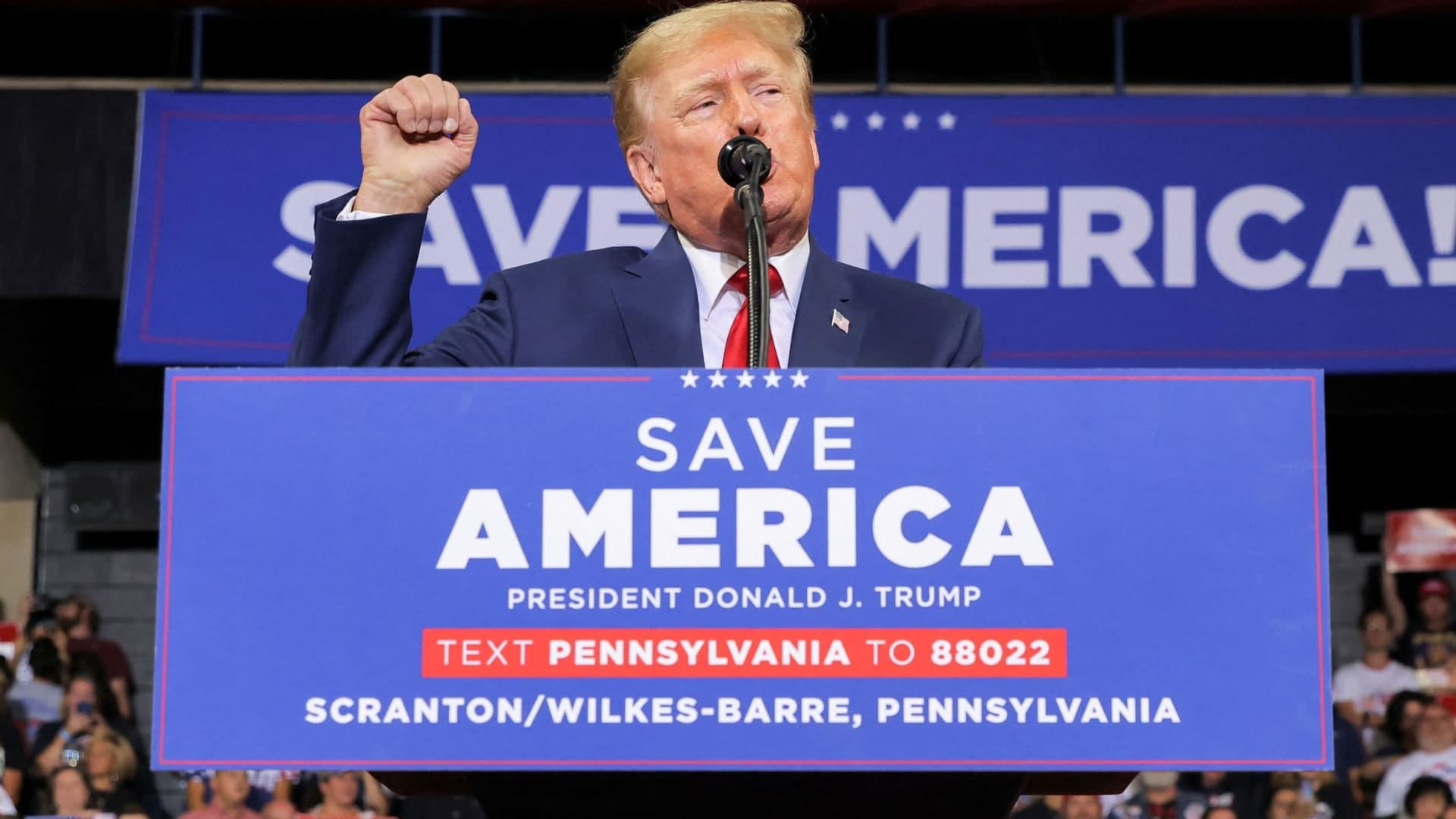
President Donald Trump’s support has helped make the SAVE Act one of the most politically visible election-security proposals in Congress.
Democrats see the issue differently. They argue that the federal government should be careful about creating documentation requirements that could make registration more difficult for citizens who already have the legal right to vote.
This does not mean Democrats oppose election security. The disagreement is largely about which problems require new federal requirements and what consequences those requirements could have for eligible voters.
What Does the Law Mean for You Right Now?
The SAVE America Act is not currently law.
The House passed the latest version, S. 1383, in February 2026. After weeks of debate, the bill stalled in the Senate in April.
That means the proposed requirements should not be confused with the voting rules currently in effect.
If you see a post online telling you that you suddenly need a birth certificate or passport to vote, check the information before assuming it applies to you.
Your current voting requirements depend on the laws and procedures in your state.
It is still a good idea to check your voter registration before an election, particularly if you have moved, changed your name, or recently became eligible to vote. Doing that ahead of time gives you an opportunity to correct a problem rather than discovering it at the last minute.
Do Citizens Have a Say?
Yes, but not through a direct vote on the bill.
Congress decides whether federal legislation becomes law. Citizens can influence that process by contacting their senators and representatives, attending town halls, joining civic organizations, and making their concerns known.
You can also ask lawmakers practical questions.
What happens if an eligible citizen cannot find their birth certificate?
How would someone correct an error in a government database?
Would people be able to obtain the required documents without significant costs?
What happens when a person’s legal name doesn’t match their citizenship documents?
What protections would exist for someone whose eligibility is questioned by mistake?
Those questions are useful because they move the conversation away from political labels and toward the people who would actually have to live with the law.
And, ultimately, citizens have another powerful voice: their vote. Members of Congress make decisions about federal legislation, and voters decide who represents them.
Know the Rules. Know Your Rights.
The SAVE America Act may continue to change as Congress considers election legislation. Until then, there is no reason to panic.
Stay informed. Check your registration. Keep important documents in a safe place. And when you have questions about voting, go directly to your state or local election officials for current information.
Don’t let a confusing headline convince you that you cannot vote.
Find out what the rules actually say.
What Would the SAVE America Act Mean for Voters?
The SAVE America Act is built around a simple idea: only American citizens should vote in federal elections. That principle is not controversial. The question is whether the government needs to create additional documentation and identification requirements to enforce a rule that already exists.
Supporters believe the bill would strengthen election security and give voters greater confidence in the system. Democrats and other critics worry that the requirements could make voting more difficult for eligible citizens who have trouble obtaining the necessary documents or correcting government records.
That concern is at the heart of the debate. A citizen should not lose access to the ballot because of a missing birth certificate, a changed name, an error in a government database, or an inability to navigate a complicated documentation process.
Election security matters. But so does access to the ballot.
If Congress wants to strengthen elections, it should make sure that efforts to prevent ineligible voting do not create unnecessary barriers for the citizens who are already entitled to vote.